Moisture Changes the Conversation
Jun 22, 2026
Northeast Montana, it is crazy to be in a drought but getting steady enough showers to need to think about fungicide! I know the economics are tough this year, but fungicide prices at Pro Co-op have decreased dramatically as well. Watch the rainfall you receive over the next week or two and consider where your highest-value crops are located. There may be situations where an investment in the right fungicide (right product and right economics!) is the right choice.
Remember, foliar disease requires three things: a HOST (susceptible crop), MOISTURE (rainfall and high humidity), and DISEASE PRESENCE (field history).
Wheat: Tillering, Flag Leaf or Head Scab
Fungicide applications with herbicide at tillering have the highest likelihood of a return when disease risk is high, which usually means wheat growing on wheat stubble. This NDSU article summarizes 85 site-years of research and helps explain when a tillering fungicide is most likely to be economical on wheat.
If wet weather continues, flag leaf or head scab fungicides may also be warranted. Flag leaf applications protect the upper leaves responsible for grain fill, while head scab fungicides are applied at flowering. For some of the early durum and barley, that timing is approaching quickly.
My favorite disease forecasting tool is the NDAWN network. Select Applications and then Wheat and Small Grains Forecaster. Montana Mesonet stations are not connected to this model, but they do offer a useful Growing Degree Day calculator for predicting crop stages.
Lentils
Nearly every lentil field has a history of foliar disease, so if conditions remain favorable, fungicides should be applied at first bloom. Dense canopies increase the risk of white mold (Sclerotinia), which requires a Proline-based fungicide program.
For a more economical approach, a Headline-type fungicide can provide basic disease suppression. For more information on fungicide selection, refer to the MSU Extension Fungicide Efficacy Chart.
Chickpeas
Ascochyta is showing up earlier than normal in some areas, especially where heavy rain or hail has occurred. Fields should be scouted immediately, and growers should be prepared to begin fungicide applications quickly if disease is present or weather conditions remain favorable for spread.
Proline resistance has been documented, so make sure you are following current recommendations from the NDSU Plant Pathology program.
Canola
Canola fungicides are often overlooked but can provide value when disease pressure warrants treatment. Canola is susceptible to Sclerotinia, the same pathogen that causes white mold in other broadleaf crops.
The ideal application timing is approximately 20–30% bloom. Once the first flowers appear, it's time to develop a fungicide plan so the application can be made at the proper stage. Additional disease and fungicide information can be found in the North Dakota Canola Production Guide.
Please reach out to your Pro Co-op agronomist if you'd like help evaluating disease risk or selecting a fungicide program for your fields. We have both ground and aerial application options available if you need help covering acres during this busy season.
Building the Plant and Dealing with Environmental Stress:
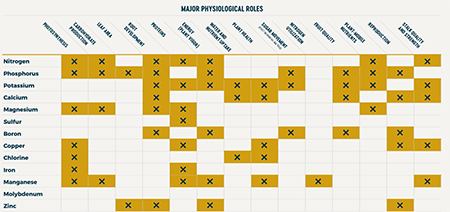
Every nutrient performs a certain function in the plant, and at different growth stages, some are in more demand than others. A tissue test identifies which nutrient is most limiting for that growth stage in a specific crop. Regulating water retention through stomatal openings, promoting pollen formation and flowering, and maximizing photosynthesis, are examples of the role of certain nutrients in combination with plant hormones or other well documented "modes of action". When it makes economic sense, reducing stress messages within the plant and encouraging growth and development of grain is extremely important and often overlooked.